KDArchitects Landscape Ideas From Morph: A Complete Regional Guide to Modern Outdoor Design
September 17, 2026 · by toped agency
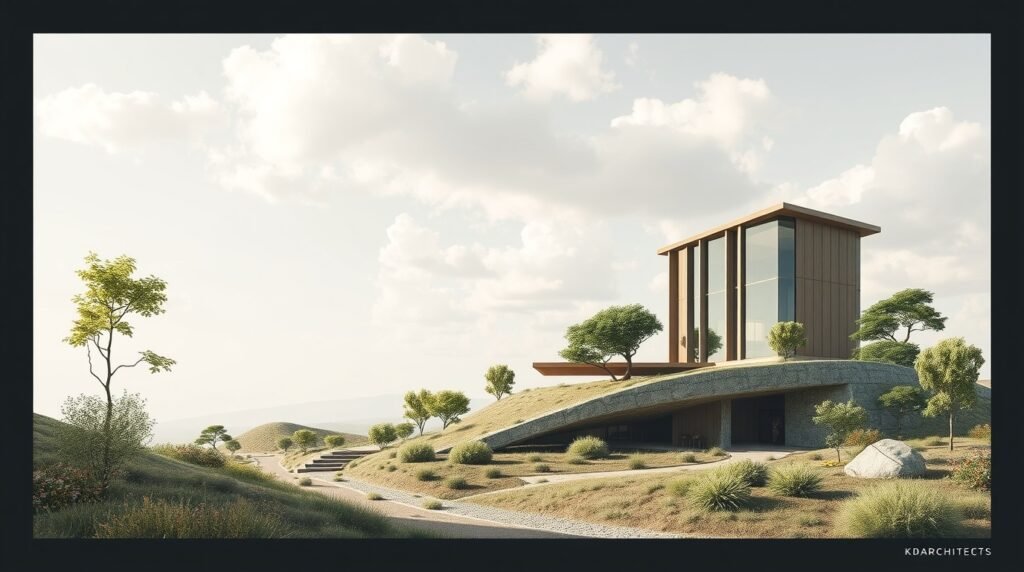
Most homeowners treat landscaping as an afterthought — a lawn slapped next to an expensive house with no real connection between the two. Kdarchitects landscape ideas from morph flip that approach entirely. Instead of separating architecture from the yard, this design philosophy treats the entire property — house, patio, path, and planting bed — as one continuous system. This guide breaks down exactly how to apply that thinking, region by region, budget by budget, without the vague filler most articles on this topic repeat.
Before going further, one honest note: “Morph” here refers to a transformative, layered landscape design aesthetic — fluid hardscape lines paired with soft, layered planting — rather than a single verified branded product line. We’re using it as a design lens, the same way “modern farmhouse” or “coastal grandmother” describes a style rather than a company. That distinction matters because it lets us focus on what actually works instead of repeating unverifiable claims about who invented what.
What Makes Kdarchitects Landscape Ideas From Morph Different
The core idea behind kdarchitects landscape ideas from morph is continuity. Materials used inside the home continue outside. Sightlines from the living room extend into the garden instead of stopping at a sliding door. Trees are placed to frame the roofline rather than scattered randomly across the lawn. about decoratoradvice .com
This isn’t decoration — it’s structural thinking applied to soft spaces. Three principles drive it:
- Material repetition: A brick or stone material used on the home’s exterior continues as a garden wall, planter edge, or path border.
- Sightline continuity: Glass doors, large windows, and open sequencing of yard rooms make the transition from indoors to outdoors feel seamless.
- Regional restraint: Instead of forcing the same plant palette everywhere, the yard responds to its climate — desert grasses in Arizona, tall conifers in the Pacific Northwest, native perennials in the Midwest.
Why This Design Approach Matters for US Homes
American homes vary wildly — from tight city lots in Boston to sprawling half-acre yards in Texas. That variety is exactly why kdarchitects landscape ideas from morph work well across so many climates and lot sizes. The philosophy isn’t about copying one fixed layout; it’s about applying the same three principles (material repetition, sightline continuity, regional restraint) to whatever space you’re working with.
A small backyard in Brooklyn benefits from the same logic as a five-acre ranch in Colorado — the scale changes, but the thinking doesn’t.
Core Ideas You Can Actually Apply
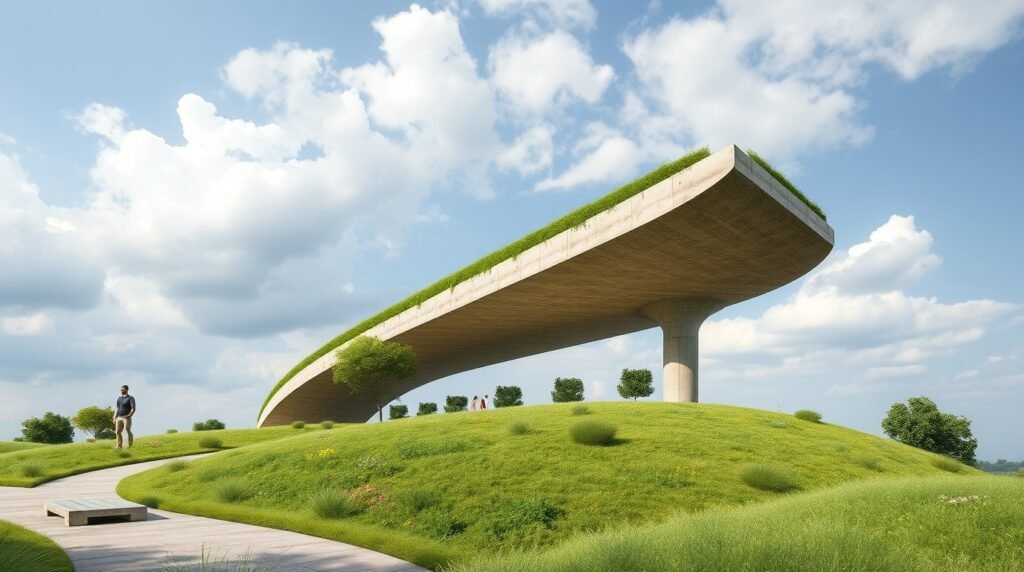
Below are categorized, buildable ideas rather than abstract concepts. Each one ties back to the same continuity principle.
Hardscape Ideas
| Idea | What It Solves | Typical Installed Cost (US) |
|---|---|---|
| Grid pathway with statement entry | Guides movement, mirrors interior flooring patterns | $8–$25 per sq ft |
| Poured concrete patio with exposed aggregate | Durable, low-maintenance outdoor living surface | $10–$18 per sq ft |
| Low garden walls matching house brick/stone | Repeats interior material outdoors, defines beds | $25–$45 per linear ft |
| Floating stone steppers through planting beds | Softens hard lines, encourages exploration | $15–$30 per stepper installed |
Softscape Ideas
- Layered native grasses that shift height gradually from path edge to fence line
- Perennial borders chosen by USDA hardiness zone, not by trend
- Vertical gardens on blank walls to add greenery without consuming floor space
- Ground cover replacing traditional turf in high-shade or drought zones
Water and Lighting Features
Water features and lighting are two of the most requested elements tied to kdarchitects landscape ideas from morph, largely because they extend usability into the evening and add a sensory layer beyond visuals.
- Low, linear water troughs along a patio edge — quiet movement, minimal maintenance
- Path lighting recessed into stone borders rather than staked fixtures poking up from soil
- Uplighting on mature trees to extend the “framing” effect after dark
- Fire features positioned at the transition point between hardscape and lawn
Regional Application: What Actually Works Where
This is where most articles on this topic get vague. Applying kdarchitects landscape ideas from morph without accounting for climate leads to dead plants and wasted budgets. Here’s a practical regional breakdown.
Pacific Northwest (Seattle, Portland)
- Materials: Natural stone, weathered wood, dark gravel paths
- Plants: Douglas fir, ferns, hostas, moss ground cover
- Design note: Lean into moisture — rain gardens and permeable paving handle runoff while keeping the aesthetic intact
Desert Southwest (Arizona, Nevada, parts of Texas)
- Materials: Sand-colored concrete, decomposed granite, corten steel edging
- Plants: Agave, native grasses, drought-tolerant shrubs
- Design note: Xeriscaping isn’t a compromise here — it’s the entire point. Water-hungry lawns simply don’t belong in this climate
Northeast (New York, Massachusetts, Connecticut)
- Materials: Brick, bluestone, wrought iron detailing
- Plants: Hydrangeas, boxwood hedging, seasonal perennials
- Design note: Small lot sizes mean vertical layering (raised beds, tiered planting) matters more than horizontal spread
Southeast (Georgia, Florida, the Carolinas)
- Materials: Pavers resistant to humidity swelling, covered patio structures
- Plants: Palms, ferns, heat-tolerant flowering shrubs
- Design note: Shade structures aren’t optional — they’re functional necessities for outdoor living most of the year
Midwest (Ohio, Illinois, Minnesota)
- Materials: Fieldstone, timber edging, gravel drainage paths
- Plants: Native prairie grasses, coneflowers, black-eyed Susans
- Design note: Design for four distinct seasons — plants that look good dormant in winter matter as much as summer blooms
Small Yard Adaptations
Applying kdarchitects landscape ideas from morph in a small backyard requires editing, not shrinking. A few adjustments make the difference:
- Use one anchor tree instead of a cluster to avoid visual clutter
- Choose a single hardscape material and repeat it consistently rather than mixing three or four
- Build vertically with trellises or wall planters when ground space runs out
- Keep pathways narrow but continuous — a single clean line reads larger than a wide, broken one
Budget Planning: What This Actually Costs
Cost is the part most articles skip entirely or handle vaguely. Here’s a realistic range based on typical US project scopes.
| Project Scope | Estimated Cost Range |
|---|---|
| Design consultation/plan only | $700 – $3,000 |
| Small backyard refresh (path, planting, lighting) | $4,500 – $12,000 |
| Mid-size full yard redesign | $12,000 – $22,500 |
| Large property with water feature + hardscape | $25,000 – $60,000+ |
Cost factors to plan around:
- Yard size and existing grading/drainage condition
- Material choice (natural stone costs significantly more than poured concrete)
- Whether irrigation needs to be installed from scratch
- Local labor rates, which vary heavily by region
Step-by-Step: Planning Your Project
- Assess the site — note drainage patterns, sun exposure, and existing mature trees before designing anything
- Set a hardscape-to-softscape ratio — most successful kdarchitects landscape ideas from morph projects keep hardscape under 40% of total yard area
- Check permits and HOA rules — water features, fences, and major grading often require approval
- Phase the budget — start with pathways and structure, add planting and lighting in later phases
- Match plant choices to your USDA zone — skipping this step is the single most common reason DIY landscaping fails
- Hire specialists for grading and drainage — this is the one area where DIY mistakes are expensive to fix later
DIY vs. Hiring a Landscape Architect
| Factor | DIY Approach | Hiring a Professional |
|---|---|---|
| Cost | Lower upfront, higher risk of costly mistakes | Higher upfront, fewer expensive corrections |
| Timeline | Flexible, often slower | Structured, faster completion |
| Design cohesion | Harder to achieve continuity principle | Easier — professionals plan sightlines and material flow from the start |
| Best for | Small, single-element projects (planting beds, lighting) | Full-yard redesigns, drainage work, structural hardscape |
Common Mistakes to Avoid
- Planting without checking your USDA hardiness zone first
- Mixing too many hardscape materials, which breaks the continuity principle
- Ignoring drainage until water pools near the foundation
- Treating the lawn as the default instead of asking whether it’s the right choice for your climate
- Skipping lighting design until after hardscape is finished, forcing awkward retrofits
Frequently Asked Questions
What are kdarchitects landscape ideas from morph?
They’re modern landscape design concepts that pair clean hardscape lines with layered, climate-appropriate planting to connect a home with its outdoor space.
How much does a morph-style landscape redesign cost?
Expect $700–$3,000 for a design plan alone, and $4,500–$22,500+ for a full project depending on yard size and materials.
Can small backyards use this design style?
Yes — small yards benefit from editing down to one anchor tree, one consistent hardscape material, and vertical planting instead of trying to fit in every idea at once.
What’s the difference between hardscape and softscape?
Hardscape refers to built elements like stone, concrete, and patios, while softscape covers plants, grass, and soil — the balance between the two defines the overall design.
Do these ideas work in every US climate?
The core principles (material repetition, sightline continuity, regional restraint) apply everywhere, but plant and material choices must shift based on your specific USDA zone and climate.
Is hiring a landscape architect necessary?
Not for smaller single-element projects, but full-yard redesigns involving drainage, grading, or water features benefit significantly from professional planning.
Final Thoughts
Applying kdarchitects landscape ideas from morph successfully comes down to three things: matching materials between house and yard, designing sightlines that pull the eye outdoors, and choosing plants that actually belong in your climate zone. Skip the trend-chasing and generic advice — start with an honest site assessment, set a realistic budget using the ranges above, and phase your project so the hardscape structure comes first and the planting layers in around it. That’s the difference between a yard that looks staged for one season and one that actually functions as an extension of your home year-round.