kdalandscapetion landscape guide by kdarchitects: A Practical Playbook for US Homeowners
October 19, 2026 · by toped agency
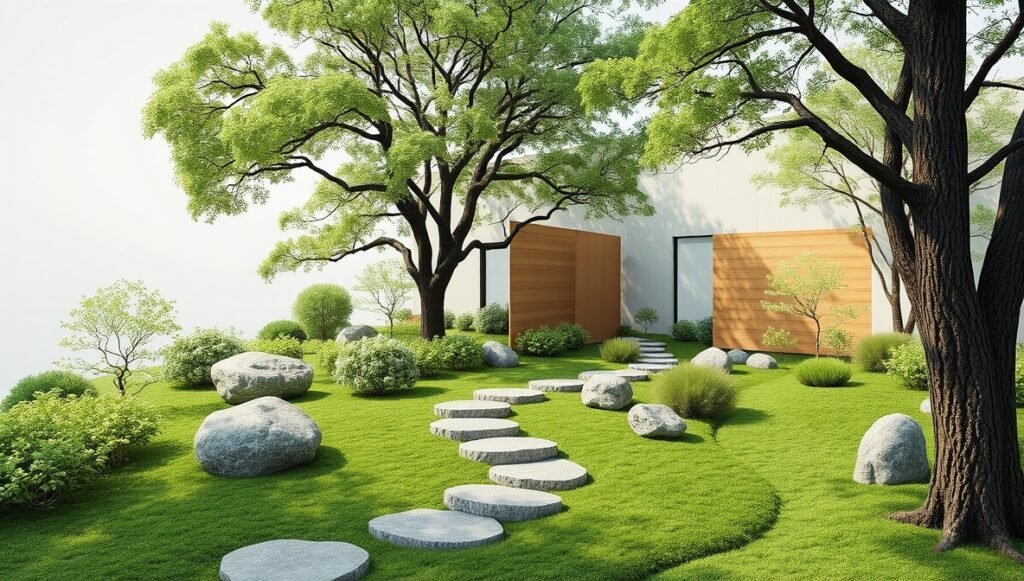
Most pages about this topic are vague. They promise “stunning” and “innovative” outdoor spaces and never name a plant, a material, or a price. This kdalandscapetion landscape guide by kdarchitects does the opposite. It covers design principles, climate-specific plant choices, realistic budgets, permit traps, and maintenance, so you can plan a yard and talk to a contractor with confidence.
What This Guide Is, and What It Is Not
The phrase “kdalandscapetion” appears to be a misspelling of “KD Architects landscape.” KD Architects publishes landscape and interior design work at kdarchitects.net. Descriptions of the firm online often mention sustainable planting, rooftop gardens, smart irrigation, living walls, and layered outdoor lighting.
Many pages repeating those claims could not be verified. Some name awards and a founder without any source. So this kdalandscapetion landscape guide by kdarchitects treats the firm’s public style as a reference point, not as proof of any project result. Check the firm’s own site for portfolio details before you hire anyone.
Here is what you will get:
- Design principles you can apply to any yard
- Plant and material suggestions by US region
- Ballpark costs with the factors that move them
- Permit, HOA, and water-rule checkpoints
- A year-round maintenance schedule
- A checklist for hiring a designer pyrrothian lyxterand author at kdarchitects
Core Design Principles for a Modern, Sustainable Yard
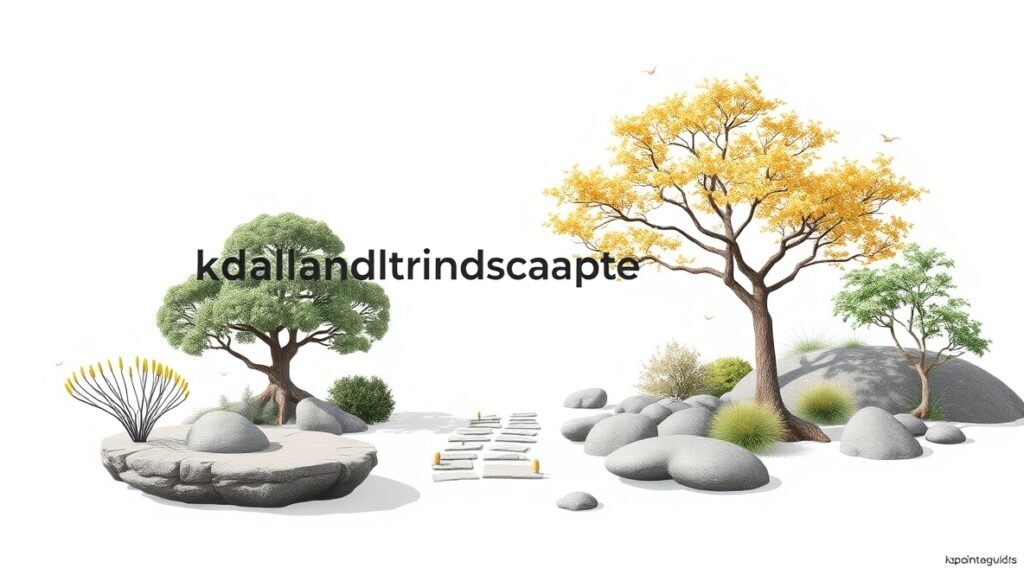
Good landscapes follow a handful of rules. Most of the rest is preference.
Plan by Water Zones
Group plants by how much water they need and put each group on its own irrigation zone. A thirsty hydrangea next to a lavender plant means one of them is always wrong. The EPA estimates that landscape irrigation accounts for roughly 30 percent of household water use nationally, and much more in dry regions. Hydrozoning is the cheapest way to cut that number.
A simple three-zone model:
- High-use zone: near the patio or entry, where you want color and lushness
- Moderate zone: the middle of the yard, with shrubs and perennials that tolerate some dryness
- Low-water zone: the edges and slopes, with native or drought-tolerant plants that live on rainfall once established
Balance Hardscape and Softscape
Hardscape means patios, paths, walls, and decks. Softscape means plants, soil, and mulch. A yard that is too hard runs hot and sheds water into the street. A yard that is too soft has no usable gathering space.
A workable starting ratio for a typical residential lot:
- Small lots under 3,000 sq ft of yard: 30 to 40 percent hardscape
- Mid-size lots: 20 to 30 percent hardscape
- Large lots: 15 to 20 percent hardscape, concentrated near the house
Build Layers, Not Rows
Planting in a single line of identical shrubs looks flat. Instead, use four layers:
- Canopy: trees that shade the house and patio
- Understory: smaller trees and large shrubs
- Mid-layer: perennials, grasses, and low shrubs
- Ground layer: groundcovers and mulch
Layering also supports wildlife and shades the soil, which cuts evaporation.
Light the Yard on Purpose
Lighting extends how long you use the space after dark. Descriptions of KD Architects’ style mention solar path lights, lanterns hung from tree branches, and LED strips under benches and railings. These are all low-cost, low-voltage choices. A few rules keep it from looking like an airport runway:
- Choose warm white LEDs (around 2700K)
- Light the path and steps for safety first, then one or two focal features such as a tree or wall
- Space path lights roughly 6 to 8 feet apart, and stagger them rather than lining both sides
- Shield fixtures so you see the glow, not the bulb
Match the Plan to Your US Climate Zone
The USDA Plant Hardiness Zone Map tells you the coldest winter temperatures your plants must survive. Pair it with your rainfall pattern and summer heat. Plants labeled “easy” often mean easy in one region only.
| Region | Typical USDA Zones | Challenges | Plants That Usually Work |
|---|---|---|---|
| Northeast | 4 to 7 | Freeze-thaw cycles, road salt, deer | Switchgrass, purple coneflower, serviceberry, bayberry |
| Southeast | 7 to 10 | Humidity, heat, fungal disease | Muhly grass, wax myrtle, live oak, coontie |
| Midwest | 3 to 6 | Extreme cold, clay soil, wind | Prairie dropseed, black-eyed Susan, bur oak, bluestem |
| Southwest | 7 to 10 | Drought, alkaline soil, intense sun | Desert willow, red yucca, Texas sage, agave |
| Pacific Northwest | 7 to 9 | Wet winters, dry summers | Salal, Oregon grape, vine maple, sword fern |
| California | 8 to 11 | Drought, wildfire risk, water limits | Manzanita, California lilac, sage, California fescue |
Two cautions apply to this table. Zones are broad, and your microclimate (a south-facing wall, a frost pocket, a windy corner) can shift conditions by a full zone. Also, “works in your region” does not mean “native,” so check a local native plant society for a list matched to your county.
What Landscape Projects Cost in the US
Costs vary widely by city, soil, site access, and labor rates. The ranges below are rough planning numbers, not quotes. Always get at least three written bids.
| Project | Typical Range | What Moves the Price |
|---|---|---|
| Landscape design plan (designer) | $500 to $5,000+ | Lot size, detail level, site visits |
| Landscape architect (full plan) | $2,000 to $10,000+ | Grading, permits, construction drawings |
| Paver patio | $15 to $35 per sq ft | Material, base prep, pattern |
| Concrete patio | $8 to $18 per sq ft | Finish, reinforcement, drainage |
| Planting (shrubs and perennials) | $50 to $150+ per plant installed | Size, species, soil amendment |
| Tree installation | $200 to $1,500+ per tree | Size at planting, access |
| Irrigation system (drip or spray) | $1,500 to $5,000+ | Number of zones, controller type |
| Low-voltage LED lighting | $1,500 to $4,500+ | Fixture count, transformer, trenching |
| Rain garden | $1,000 to $4,000+ | Size, excavation, plant choice |
Where Budgets Get Blown
Most overruns come from the same few places:
- Site prep. Grading, drainage fixes, and removing old concrete or stumps are often invisible in early quotes.
- Utilities. Call 811 before digging. Moving a buried line costs far more than shifting a planting bed.
- Material upgrades. Natural stone can double the price of concrete pavers.
- Phasing mistakes. Installing a patio before the irrigation sleeves are in means cutting it up later.
A good rule: hold back 10 to 15 percent of your budget for surprises.
Design Ideas by Yard Type
The same principles in this kdalandscapetion landscape guide by kdarchitects apply at every scale, but the tactics change.
Small Backyards
- Use vertical space with trellises, wall planters, and a living wall on one fence
- Pick a single paving material to make the space feel larger
- Use built-in seating with storage instead of loose furniture
- Choose multi-season plants such as dwarf serviceberry or compact hydrangea
Front Yards
- Replace some lawn with layered beds that frame the entry
- Make the path to the door wide enough for two people (at least 4 feet)
- Light the address number and the steps
- Check HOA color and height limits before planting
Sloped Yards
- Terrace with low retaining walls (many areas require engineering for walls over 3 to 4 feet)
- Plant deep-rooted native grasses and shrubs to hold soil
- Direct runoff into a swale or rain garden instead of letting it hit the neighbor’s property
Rooftops and Balconies
- Confirm the load capacity with a structural engineer before adding planters or soil
- Use lightweight growing media and containers with drainage
- Choose wind-tolerant plants such as ornamental grasses, sedum, and lavender
- Plan for water access, because hauling water gets old fast
Sustainability That You Can Measure
“Sustainable” should mean numbers, not adjectives. Here are the practices that deliver.
Native and Adapted Plants
Natives need less water, less fertilizer, and fewer pesticides once established. They also feed local pollinators. Aim for at least half of your planting area to be native or regionally adapted species.
Smart Irrigation
Look for controllers with the EPA WaterSense label. Weather-based controllers adjust watering to rain and temperature. The EPA says labeled controllers can save an average home thousands of gallons a year. Drip irrigation to beds and trees wastes less water than overhead spray, because less evaporates or blows away.
Permeable Surfaces
Permeable pavers, gravel, and decomposed granite let rain soak in instead of running off. They need a properly built base, so ask your installer about the stone layers beneath, not just the surface material.
Rain Gardens and Swales
A rain garden is a shallow planted depression that collects roof or driveway runoff. A common guideline sizes it at roughly 20 to 30 percent of the area draining into it. Place it at least 10 feet from the foundation, and use plants that handle both wet and dry spells.
Mulch and Soil Health
Spread 2 to 3 inches of mulch, and keep it a few inches away from trunks and stems. Mulch cools the soil, blocks weeds, and reduces watering. Test your soil before adding amendments, because guessing wastes money.
Technology Worth Paying For
Not every gadget earns its place. Here is a plain ranking.
Worth it:
- Smart irrigation controller
- Soil moisture sensors in high-use zones
- LED lighting with a timer or dusk sensor
- Rain barrels or a cistern in wet climates
Optional:
- App-controlled lighting scenes
- Robotic mowers for large, simple lawns
Usually not worth it:
- Complex automation on a tiny yard
- Cheap solar lights as your only lighting, since they fade quickly and dim in winter
Permits, HOAs, and Local Rules
Check these before you finalize the design, not after.
- Building permits: Often required for retaining walls over a set height, decks, pergolas attached to the house, and electrical work
- HOA approval: Many associations regulate fence height, plant lists, and front-yard changes
- Water restrictions: Drought areas may limit lawn size, spray irrigation, or watering days
- Tree ordinances: Removing or planting certain trees may need approval
- Setbacks and easements: Structures cannot sit on utility easements or too close to property lines
A call or visit to your local planning office usually answers these in a day.
Common Mistakes to Avoid
- Planting for the nursery tag size. A 3-gallon shrub can grow 8 feet wide. Space for mature size.
- Putting trees too close to the house. Many large trees need 15 to 20 feet or more from a foundation.
- Ignoring drainage. Water that pools against a foundation causes bigger problems than any ugly bed.
- Skipping the soil test. Plants fail in the wrong pH or compacted clay no matter how well you water them.
- Overbuilding the patio. A 12 by 12 foot space seats a table for six. Bigger is not automatically better.
- Buying all the plants at once. Install in phases so you can see what thrives.
Designer, Landscape Architect, or DIY?

| Option | Best For | Strengths | Watch Out For |
|---|---|---|---|
| DIY | Small beds, simple planting | Lowest cost, full control | Mistakes in grading, drainage, electrical |
| Landscape designer | Planting plans, style, mid-size projects | Creative and affordable | May not handle engineering or permits |
| Landscape architect | Large lots, slopes, commercial or complex sites | Licensed, can produce construction drawings | Higher fees |
| Design-build firm | Homeowners who want one point of contact | Single contract, coordinated trades | Less price comparison between steps |
Whichever route you take, ask for three recent local projects you can visit or see in photos, a written scope, and proof of license and insurance.
A Year-Round Maintenance Calendar
A good design still needs care. This schedule fits most of the temperate US and shifts by region.
- Early spring: Cut back dead perennial growth, refresh mulch, test irrigation for leaks
- Late spring: Plant new perennials and shrubs, set irrigation schedules
- Summer: Water deeply and less often, deadhead flowers, check for pests
- Early fall: Plant trees and shrubs (cooler air and warm soil help roots), overseed lawns in cool climates
- Late fall: Drain or blow out irrigation lines in freezing regions, rake leaves into beds as mulch
- Winter: Prune dormant trees, inspect lighting and hardscape for damage
Using This Guide: A Planning Checklist
Work through these steps in order before you spend a dollar.
- Identify your USDA zone and local rainfall
- Measure the yard and mark sun, shade, slopes, and drainage paths
- List how you want to use the space: dining, play, gardening, quiet
- Call 811 and check permits and HOA rules
- Set a budget with a 10 to 15 percent buffer
- Draw water zones and choose plants by need
- Sketch hardscape first, then planting, then lighting
- Get three bids and compare scope line by line
- Phase the work so the infrastructure goes in first
Treat the kdalandscapetion landscape guide by kdarchitects as a framework, not a template. Your lot, climate, and budget decide the final design.
Frequently Asked Questions
What does kdalandscapetion mean?
It looks like a misspelling of “KD Architects landscape.” The kdalandscapetion landscape guide by kdarchitects here uses that firm’s publicly described style as a reference point.
How much should I budget for a backyard makeover?
Many US projects fall between $5,000 and $30,000, but costs swing with region, materials, and site work. Hold back 10 to 15 percent for surprises.
Do I need a landscape architect or is a designer enough?
A designer is usually enough for planting and layout. Hire a landscape architect for slopes, drainage problems, retaining walls, or anything that needs engineered drawings.
When is the best time to plant?
Early fall suits most trees and shrubs in much of the US, since roots grow while the air cools. Spring works well for perennials.
Are native plants really lower maintenance?
Yes, once they are established, usually after one to two growing seasons. They typically need less watering, feeding, and pest control.
How much lawn should I keep?
Keep only what you use for play or relaxation. Replacing unused lawn with beds, groundcover, or permeable paving cuts water use and mowing.
Can I trust online claims about KD Architects?
Verify them yourself. Many pages repeating awards and project details do not cite sources, so confirm everything on the firm’s official site and by asking for references.
Final Thoughts
A strong landscape comes from decisions you can defend: water zones that match plant needs, a hardscape sized to how you actually live, plants chosen for your climate, and a budget with room for surprises. Use the kdalandscapetion landscape guide by kdarchitects as your starting checklist, confirm local rules, and verify any designer’s work before signing a contract. Start with the site survey and the soil test. Those two steps cost little and save the most money.